
*This post may contain affiliate links for which I earn commissions.*
You walk into the lounge at the end of the day, switch on a lamp, and somehow the room still feels dim. The furniture seems to absorb the light, the walls feel closer than they are, and the entire space lacks the calm, welcoming atmosphere most homeowners want from a living room.
That was exactly the challenge here. The goal wasn’t to create a completely different room. It was to make the lounge feel brighter, lighter, and more connected to the natural light it already had.
The Starting Point
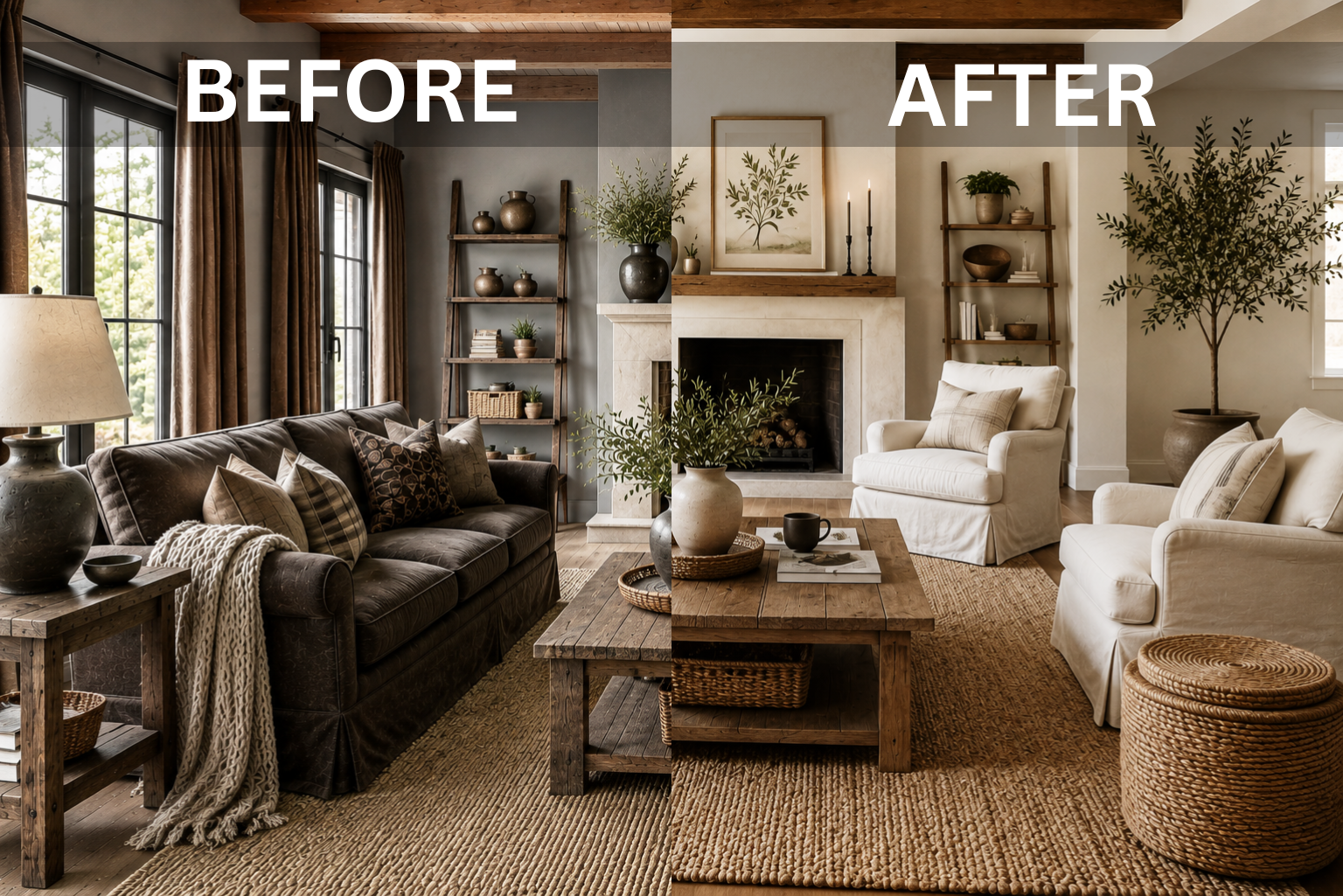
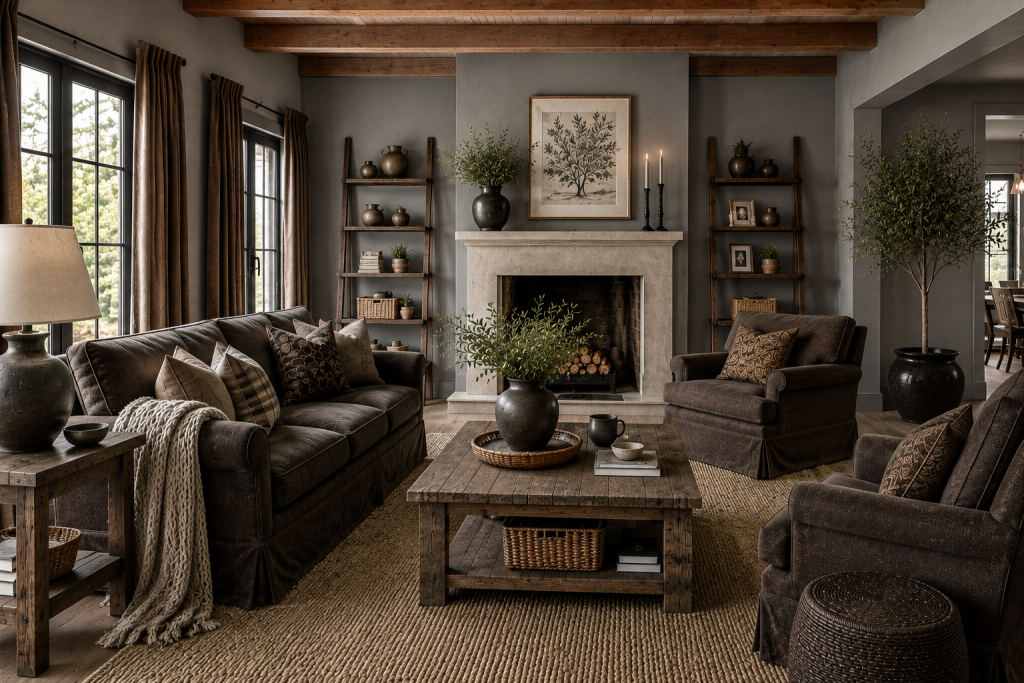
The lounge felt heavy and enclosed, with dark walls, bulky furniture, and limited natural light making the space seem smaller than it really was. A mix of mismatched decor and dated finishes left the room lacking warmth and flow.
Large furniture pieces sat close together, creating visual weight from one side of the room to the other. Dark wood finishes and deep wall colors absorbed light instead of reflecting it. Even during the day, the room felt slightly shadowed.
The layout wasn’t necessarily wrong, but it wasn’t helping the room feel open or comfortable.
What I Wanted It to Feel Like
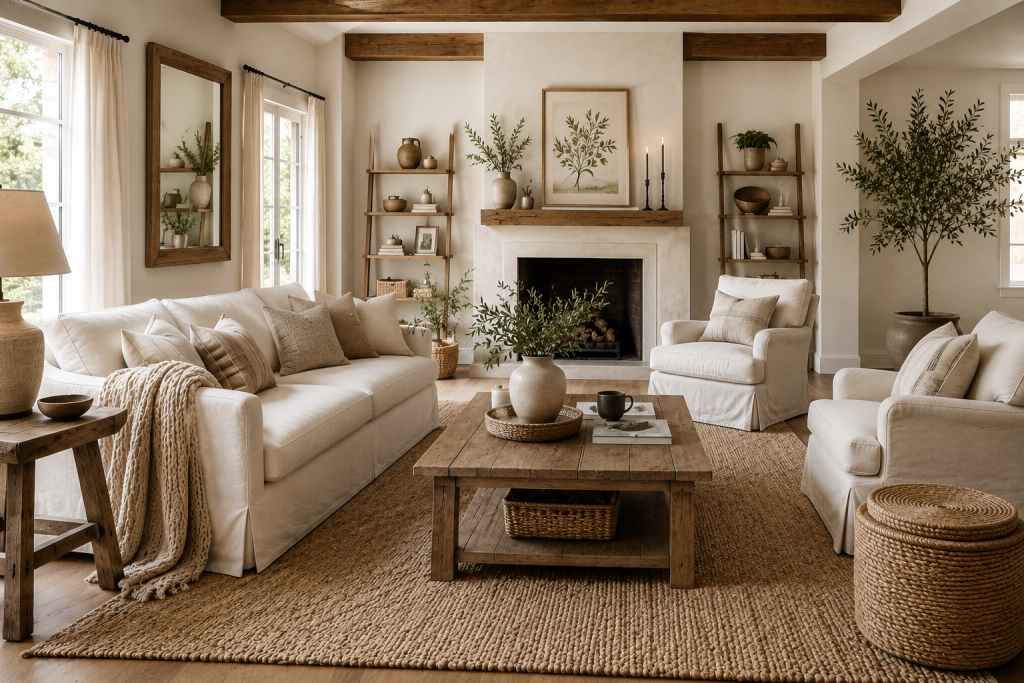
The vision was simple: a bright, relaxed retreat that felt warm and inviting without looking stark or overly minimal.
Instead of relying on dramatic renovations, the focus was on thoughtfully chosen updates that could change how the room felt. Soft neutrals, layered textures, and cleaner sightlines became the foundation of the redesign.
I also wanted the room to feel effortlessly styled rather than heavily decorated. There’s a difference, and it usually comes down to restraint.
The Biggest Shifts
Shift 1: Lightening the Foundation
The first major change was replacing the darker color palette with softer tones.
Walls moved toward warm off-white shades with subtle depth rather than bright white. Heavy window treatments were swapped for lighter fabric panels that allowed daylight to filter through naturally.
Why this works: Light surfaces reflect natural light around the room, making the entire space feel larger and more balanced.
Shift 2: Reworking the Furniture Layout
Instead of filling every corner, the furniture arrangement became more intentional.
A streamlined sofa with cleaner lines replaced a bulky oversized piece. The seating was repositioned to create better circulation and allow more open floor space. A lighter coffee table introduced visual breathing room in the center of the room.
The difference was immediate. The room suddenly felt wider, even though the square footage never changed.
Shift 3: Adding Warmth Through Texture
Once the larger pieces were in place, texture became the focus.
A soft area rug grounded the seating area. Linen pillows, woven baskets, natural wood accents, and layered textiles introduced warmth without adding clutter.
One small thing I always notice in rooms like this is how much a textured rug can change the atmosphere. It often does more than another decorative accessory ever could.
Why this works: Texture adds depth and interest while maintaining a calm, cohesive palette.
The Items That Pulled It Together
Must-Haves
Light Neutral Area Rug
Look for a rug with subtle texture and a generous size that extends beneath the main seating pieces. It helps define the space while visually brightening the floor.

Streamlined Sofa
Choose a sofa with clean lines, raised legs, and a lighter upholstery color. This reduces visual weight and creates a more open feeling.

Large Mirror
A wood-framed or thin metal-framed mirror helps reflect daylight and distribute brightness throughout the room.

Linen Curtain Panels
Semi-sheer fabrics allow natural light to enter while softening the overall look of the room.

Light-Toned Coffee Table
Natural oak, whitewashed wood, or a mixed-material design can help break up darker furniture groupings.

Nice-to-Haves
Textured Throw Pillows
Look for linen, boucle, or woven fabrics in soft neutral tones for subtle layering.
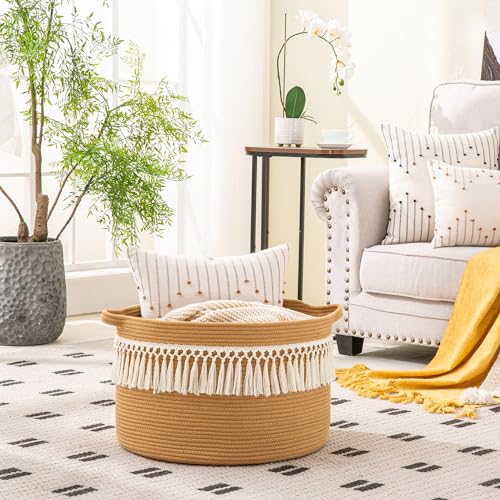
Decorative Storage Baskets
Natural fiber baskets add functional beauty while keeping everyday clutter contained.
Table Lamp with Warm Bulb
A soft glow creates a welcoming atmosphere during evening hours.
Ceramic Decorative Vase
Matte finishes and organic shapes help reinforce the relaxed, curated feel.
Framed Neutral Artwork
Simple landscape prints or abstract pieces add personality without overwhelming the room.
Olive Tree or Indoor Greenery
A touch of greenery introduces life and softness while balancing the neutral palette.


Tiny Tweaks, Big Impact
- Replace dark lampshades with lighter fabric versions.
- Style shelves with fewer, larger decorative pieces instead of many small items.
- Add a textured throw blanket to soften seating areas.
- Use matching picture frames to create visual consistency.
- Introduce one natural wood accent to warm up painted surfaces.
- Keep coffee table styling simple with a tray, a candle, and one decorative object.
- Leave a small amount of open space on shelves and surfaces to avoid a crowded look.
These details don’t require a large budget, but together they create a noticeably calmer atmosphere.
A Quick Final Note
If your lounge feels darker or smaller than you’d like, start with one simple change: lighten the largest visual surface in the room. That could be the walls, the curtains, the rug, or even the sofa.
Small, intentional updates often create the most lasting results. When each piece supports the overall vision, the room begins to feel brighter, more comfortable, and naturally cohesive.